> For the complete documentation index, see [llms.txt](https://brn-metaverse.gitbook.io/whitepaper-v1.7/llms.txt). Markdown versions of documentation pages are available by appending `.md` to page URLs; this page is available as [Markdown](https://brn-metaverse.gitbook.io/whitepaper-v1.7/brain/overview-of-brain.md).
# Overview of Brain
## Objective
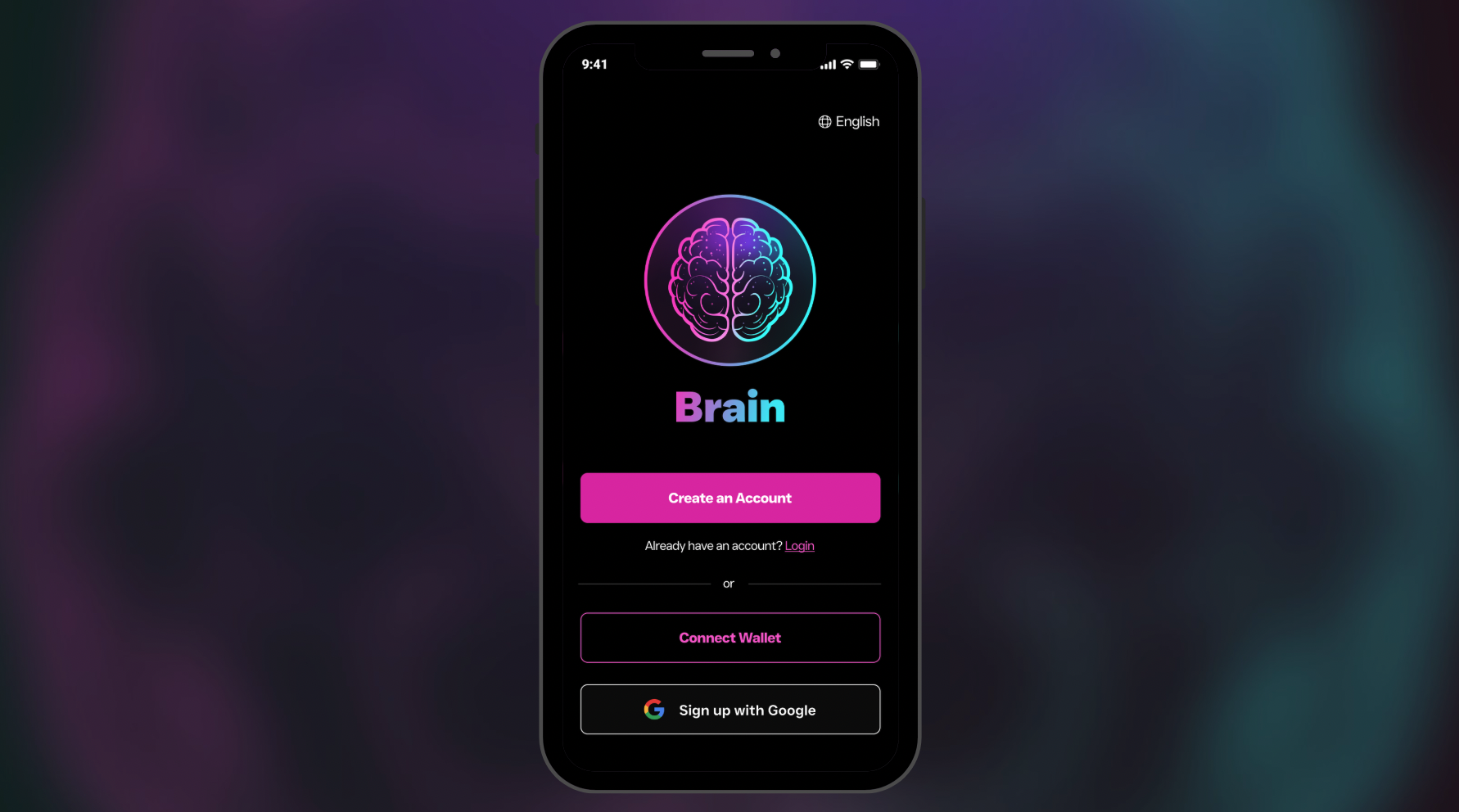
The primary objective of **Brain** is to provide users with a **safe, transparent, and seamless experience** within the Metaverse. By offering comprehensive protection against security threats—such as fraud, identity theft, and data breaches—Brain safeguards users’ digital assets and personal information. Additionally, it incorporates **innovative tools and features** designed to enrich user experiences and facilitate interactions, ensuring a balanced and secure Metaverse environment. \
#### **Problem Analysis**
The increasing interaction on Metaverse platforms has led to a surge in security challenges, including **fraud, phishing attacks, and unauthorized access**. Existing systems often fall short in addressing these threats, resulting in **diminished user trust and suboptimal experiences**. This highlights the critical need for solutions that strike a balance between **robust security measures** and **user-friendly design**.
#### **Solution Approach**
**Brain** integrates **state-of-the-art security protocols** with an emphasis on usability, ensuring users are protected while maintaining an intuitive and enjoyable experience. The system utilizes:
* **Multi-Layered Identity Verification:** Advanced authentication methods to secure user accounts.
* **Fraud Detection Algorithms:** Cutting-edge algorithms that proactively identify and mitigate fraudulent activities.
* **Industry-Leading Encryption:** Ensures that sensitive data remains secure against breaches or unauthorized access.
What sets Brain apart is its seamless integration of these advanced security features without disrupting the user experience.\
#### **Key Features**
**User Interaction**
1. **Login and Identity Verification:**
* Secure authentication methods, including biometric verification and multi-factor authentication, for a safer user experience.
2. **Messaging and Community Building:**
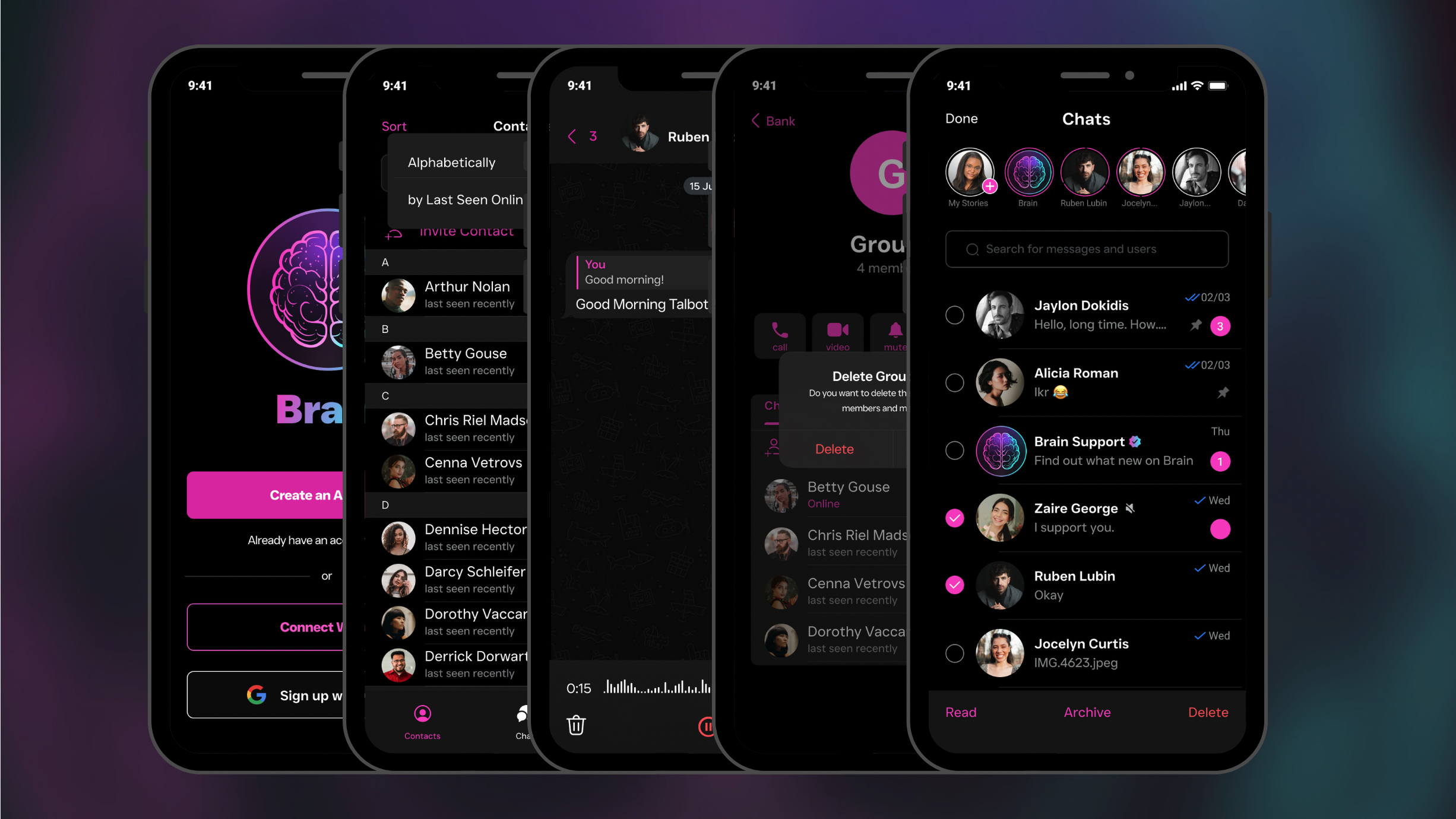
* Tools to enable users to communicate and form interest-based communities, fostering a collaborative and engaging environment.
**Security and Monitoring**
1. **Enhanced Security Features:**
* Additional layers of protection, such as anti-phishing mechanisms and secure account recovery protocols, safeguard users’ accounts.
2. **Reporting and Monitoring:**
* Real-time monitoring and reporting tools for suspicious activities, ensuring proactive responses to potential threats.
**User Interface and Experience**
* **Intuitive Design:** A user-friendly interface that ensures seamless operation across multiple devices.
* **Device Compatibility:** Optimized performance for a wide range of platforms, enhancing accessibility and usability.
#### **Impact and Vision**
**Brain** represents a transformative step in the Metaverse, addressing the dual challenge of **security** and **usability**. Its innovative design and functionality not only enhance user trust but also elevate the overall Metaverse experience by enabling secure and effortless interactions.
The detailed framework outlined in this document serves as a roadmap for developers and stakeholders, guiding the continuous evolution of Brain in alignment with emerging technologies and user needs. **Brain’s ultimate goal is to set a new standard for security and user-centric design in the Metaverse, ensuring a thriving and trustworthy virtual ecosystem.**